
Comprehensive Solar Services
Magic Sun Solar installs complete solar packages and fully custom systems, built around your budget and energy needs, with minimal upfront cost. We handle financing options, available incentives, permitting, and utility interconnection from start to finish, then back every installation with ongoing system monitoring and a 25-year performance guarantee.
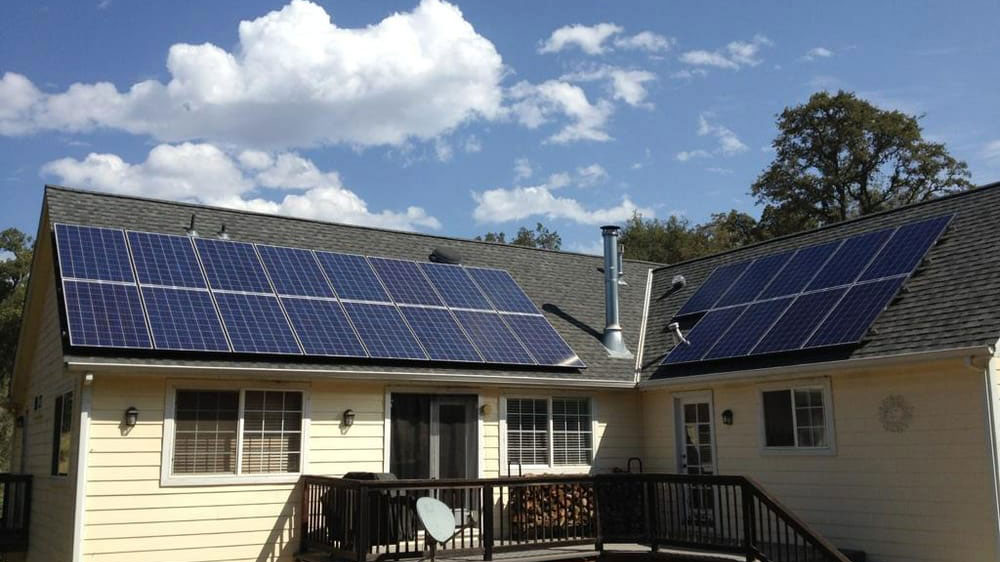
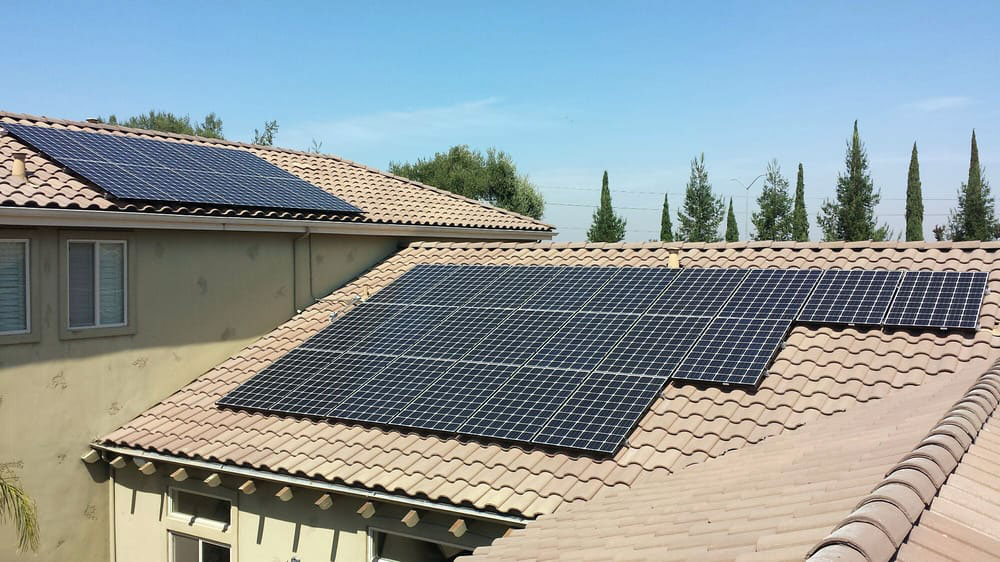
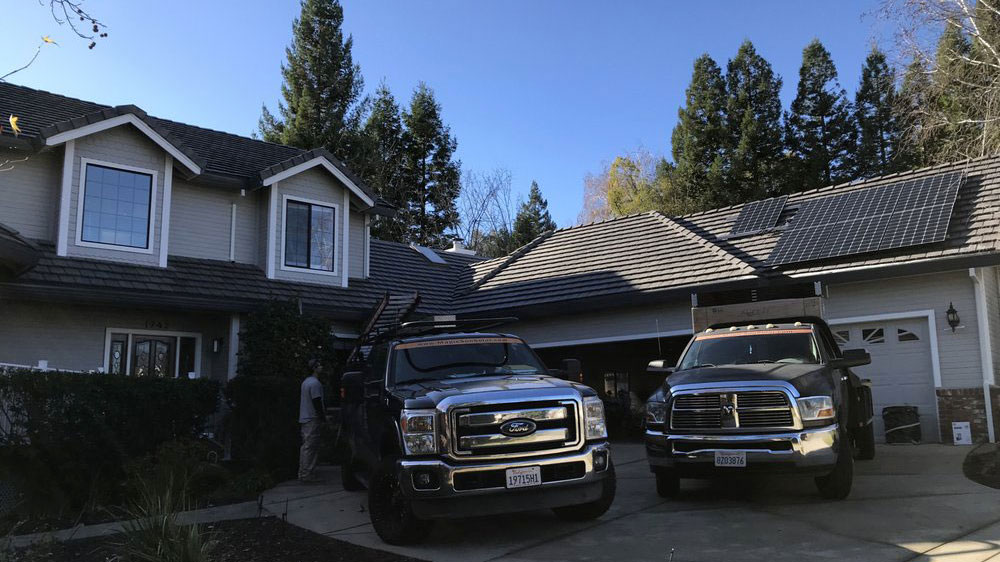
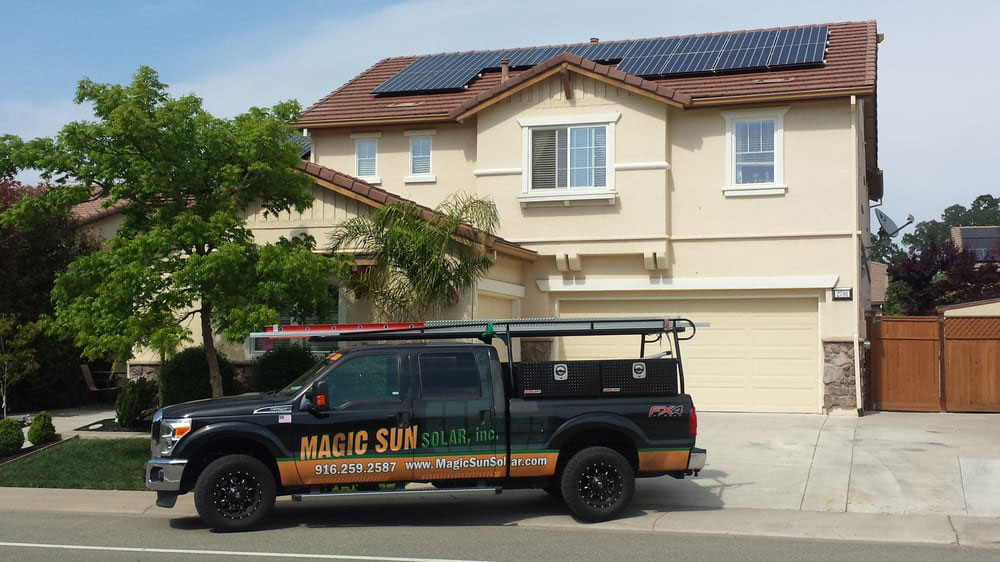
As the Greater Sacramento area’s premier solar provider, Magic Sun Solar takes pride in being your trusted partner for end-to-end renewable energy solutions. Whether you’re taking your first steps toward energy independence or seeking to enhance your existing system, our seasoned professionals deliver personalized guidance and support throughout the entire process. We offer a comprehensive suite of services designed to address the evolving needs of both residential and commercial clients, with each solution carefully crafted to optimize energy efficiency, maximize long-term financial benefits, and amplify positive environmental impact.
- Solar Panel Installation: Delivers a seamless transition to sustainable energy through expertly engineered systems customized for your unique property and energy objectives.
- Solar Panel Expansion: Provides straightforward system upgrades for clients with increasing power demands, enhancing performance and increasing savings.
- Repair & Maintenance: Offers prompt diagnostics and effective solutions through our specialized team to ensure your system operates safely and efficiently.
- Solar Panel Cleaning: Safeguards your investment and maintains optimal energy production through thorough, specialized cleaning techniques.
Explore each service to learn how Magic Sun Solar can support you in getting the most out of your solar energy system.
Whether you’re installing your first system or replacing an aging one, we design each system around your roof, energy use, and budget, not a one-size template. That covers site evaluation, engineering, permitting, and SMUD interconnection, plus guidance on purchase, loan, lease, and PPA financing. Sacramento-area code and seismic requirements are built into every design from the start, and every install carries our 25-year performance guarantee.
The payoff isn’t just on your monthly bill either. Zillow’s research on home sales found owned solar systems added about 4% to resale value compared to similar homes without one, on top of whatever you save while you live there. See how solar installation works →
An EV, a home addition, or a bill that’s crept back up are the usual signs it’s time to add capacity rather than start over. We check what your current inverter and roof space can support, then design new panels that integrate cleanly with what’s already installed, handling the added permitting and SMUD interconnection paperwork along the way.
Under California’s current net billing rules, the real value of extra panels comes from covering more of your own usage rather than selling power back to the grid, so added capacity that keeps pace with a new EV or bigger electric bill tends to pay off faster than exporting the surplus. See how solar expansion works →
A drop in output, an inverter error code, or storm damage doesn’t always mean starting over. Our technicians diagnose the cause, whether it’s wiring, a failing inverter, loose mounting hardware, or animal damage, and repair it so your system gets back to full production.
Solar panels naturally lose a small amount of output every year, NREL research puts it at roughly 0.5 to 0.8 percent, so even a 25-year-old system should still be producing 80 to 90 percent of its original output. Small issues that go unaddressed, though, can knock a system off that curve well ahead of schedule, which is exactly what routine repair and maintenance visits are meant to catch. Learn more about repair & maintenance →
Dirt, dust, pollen, and bird droppings build up fast in Sacramento’s dry climate, and it costs you real output. The National Renewable Energy Laboratory found dirty panels can lose up to 25% of their energy production, so a periodic cleaning is one of the simplest ways to keep a system performing the way it was designed to.
Our team uses soft brushes, gentle rinsing, and panel-safe cleaning solutions only, no pressure washing or harsh chemicals that can damage the glass or reduce efficiency. Every cleaning also doubles as a visual inspection, so early signs of damage or loose connections get caught before they turn into a repair. See what’s involved in a cleaning →
Solar Electric Mounting Options
Whether you’re installing a new system or adding to one you already have, the right mount, ground, roof, or carport, depends on your available space, shading, and access needs. See how mounting fits into a new installation → or how it factors into an expansion →
There are several ways to install a solar array at a residence and what works best for you is based upon the available surface options, amount of sun for the chosen location, and your output needs. Common options include residential rail-less, residential rail-based, wire management (use of clips), and commercial flat roof.
Most PV systems produce 16-to-20 Watts per square foot of array area. The variance is this rate is based on a variety of different technologies and the varying efficiency of different PV products. For example, a typical 2-kW PV system will need 200-400 square feet of unobstructed area to site the system.
When choosing the location of our solar PV array, it is also important to consider the need of access for the system. Typically the access space requirement of the mounting area will reduce the the available space by 20%.
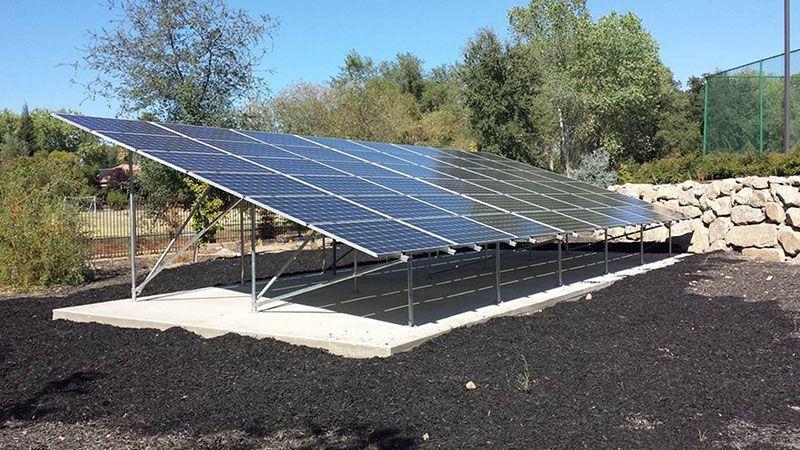
Solar Ground Mounts:
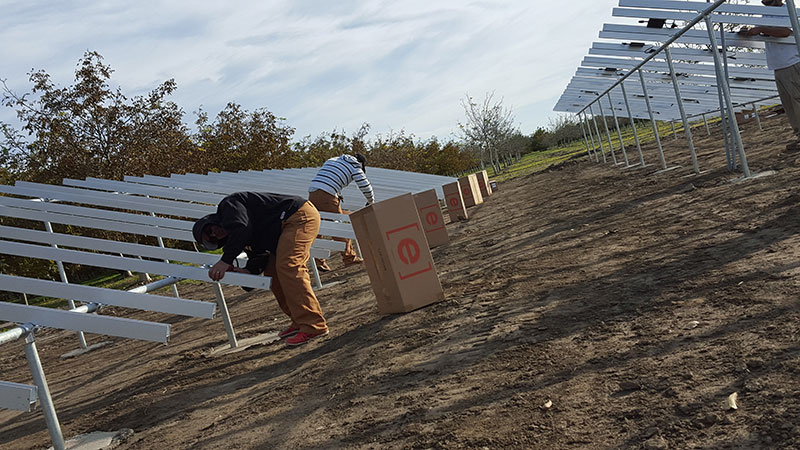
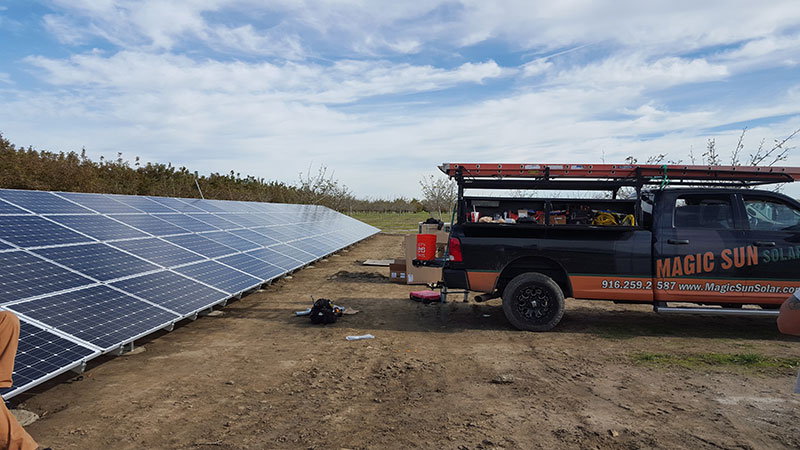
Does your home or business have trees that shade the roof? MSS can design and install ground mount structures that are aesthetically pleasing and where energy production is maximized.
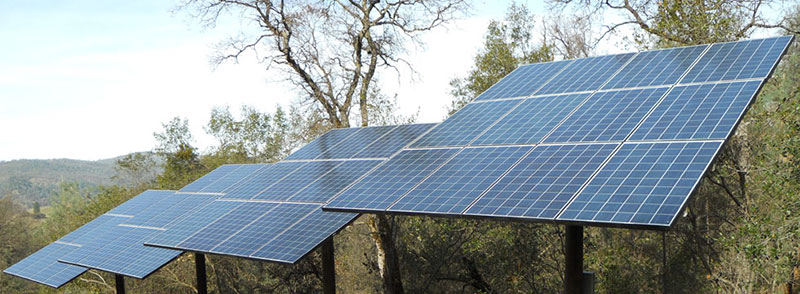
There are many installation types for our ground-mounted residential solar systems. Common options include low-profile, pole-mount, and low-penetration systems.
Generally, ground mounted solar panels cost the same as rooftop solar on a per-watt basis. If your property isn’t ideal for rooftop solar, installing a ground-mounted system can actually save you money in the long term.
- Ground mounting allows for more mounting and positioning flexibility than a roof mount which will help with overall production.
- Maintenance is easier on a ground mount and it is much safer to trouble shoot an array on the ground, so less time intensive.
- Performance with ground mounts systems will almost always be better than a roof mount since the ground has more airflow to cool down the panels vs. being on a hot surface.
- The longevity of a PV system is often longer than the lifespan of a roof, for which a ground mount system won’t require taking down the solar PV system during roof replacement or repair.
- Ground mount systems can be expanded upon easily, whereas there is typically limited space on most residential roofs.
Solar Roof Mounts:
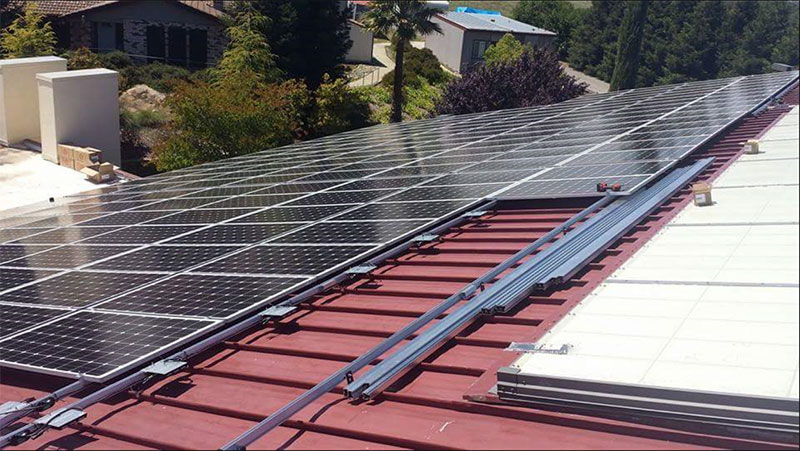
Roof mounting is the most popular option, and it is especially useful if you want to maximize your yard space.
As you would expect, there are a variety of roof mounting options available to work with the different roof types and pitches. Common options include residential rail-less, residential rail-based, wire management (use of clips), and commercial flat roof.
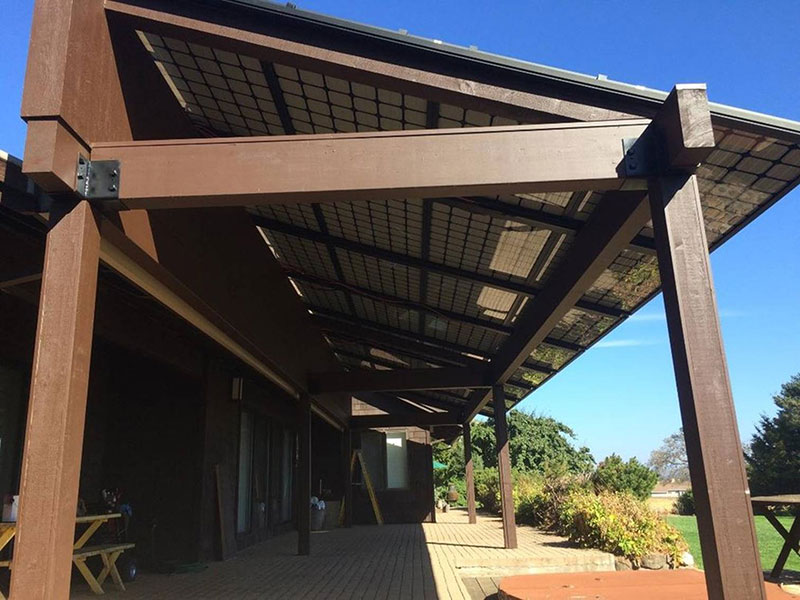
Solar Carports:
Yet another great way to keep a solar array safe and out of the way while providing a shade structure and a platform for your solar investment.
Carport mounted solar systems are a popular use of otherwise unused structure and parking lot space. Carport solar can be a very effective option both as a residential charging station for homes and for larger solar car parks for apartment buildings and multi-unit dwellings.
Frequently Asked Questions
Roof size, orientation, shading, and your current energy use all factor in. We cover this during a free site assessment.
The performance guarantee concerns how much power the solar panels are expected to produce as they age. Panels gradually lose some output over time, but the guarantee sets a minimum performance level over its stated term. Equipment warranties address defects in the panels, inverters, batteries, and other components; each product may have a different warranty period. Installation workmanship is typically covered separately. We’ll explain the specific coverage, exclusions, and claim process for the equipment included in your proposal.
For a typical residential project, plan on about four to eight weeks from signing to an operating system. Design, permits, installation, inspections, and utility approval all affect the schedule. Magic Sun Solar aims for completion within 30 days, but installation and permission to operate are separate milestones: the system can begin producing for your home only after the required inspections and SMUD’s final approval. We’ll give you a project schedule and keep you informed if a permit or utility step changes it.
It depends on how you paid for the system. If you own it outright, it will generally be included with the home sale. If you financed it, the loan must be addressed at closing according to the lender’s terms; that often means paying it off, though an approved transfer may be possible. With a lease or power purchase agreement (PPA), a third party owns the equipment, and the contract determines whether the buyer can take over the agreement, must qualify first, or whether you can buy out the system. Let us know early if you plan to sell so you can provide the buyer with the right ownership, warranty, and agreement documents.
Solar alone can lower your electricity bill; a battery is optional. A battery may be worthwhile if you use a lot of electricity during higher-priced weekday hours, or if you want backup power during outages. It lets you use some of the solar energy generated earlier in the day instead of sending it to the grid. Solar panels alone generally shut down during a grid outage, so backup power requires a system designed for that purpose. We can compare the cost and expected benefits of solar alone and solar with storage using your household’s usage.
Not necessarily. What matters is the roof’s condition and how much useful life it has left. If it needs major repairs or is likely to need replacement in the next several years, doing that work before installing solar can save the cost of taking the panels down and putting them back later. We’ll assess the roof before designing the system and recommend a roofing evaluation if we see a concern. If you need a roof replacement after solar is installed, the panels and mounting equipment will need to be removed and reinstalled around the roofing work.
Yes, including purchase, loan, lease, and PPA options, depending on what fits your situation.


Ready to take the next step toward energy independence?
Contact Magic Sun Solar today for a free consultation and personalized solar quote. Our team proudly serves homeowners and businesses across Greater Sacramento, including Roseville, Rocklin, Folsom, Citrus Heights, and beyond. Let’s build a solar solution that fits your needs—and your future.
📞 Call us at (916) 259-2587 or email us today to get started.