
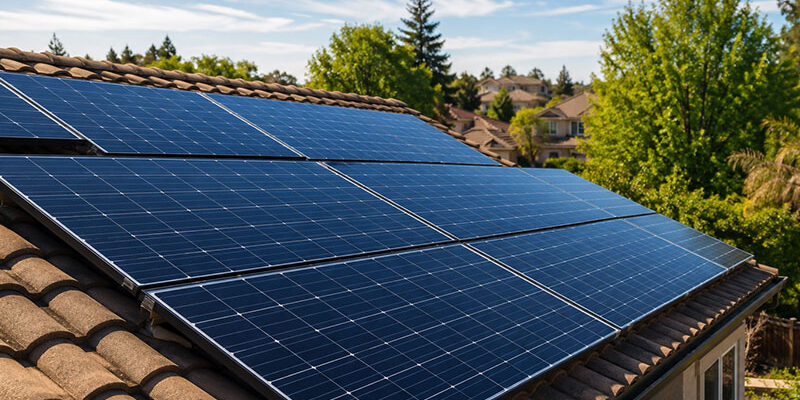
Installing a solar energy system is one of the smartest investments many Northern California homeowners will ever make. Unlike most major home systems, solar panels require relatively little maintenance, and modern equipment is built to run reliably for 25 years or more with minimal attention. Maximizing that investment doesn’t require complicated upkeep or expensive upgrades. It just takes a handful of practical habits.
Like any long-term investment, however, some attention pays off. Performance changes often develop gradually and can go unnoticed until your monthly utility bill arrives. Dust from our long, dry summers, growing tree branches, changing utility rate plans, and even simple household habits can all affect how much value you get from your system.
Here are five easy ways to get more energy, and more value, from your solar panels.
1.) Monitor Your System Regularly
One of the biggest advantages of today’s solar technology is that most systems allow homeowners to monitor performance from their smartphone or computer. Whether your installation uses Enphase microinverters and the Enphase IQ Gateway, SolarEdge equipment, or another monitoring platform, your app provides valuable insight into how your system is performing every day.
Unfortunately, many homeowners install the app when their system is commissioned and rarely look at it again. That’s a missed opportunity.
Taking just a few minutes each week to review your system’s production can help you recognize changes before they become expensive problems. You don’t need to analyze every graph or understand every technical measurement. Instead, become familiar with what’s normal for your home.
Solar production naturally changes throughout the year. Long summer days typically generate significantly more electricity than shorter winter days, and occasional cloudy weather or wildfire smoke can temporarily reduce production. Understanding these seasonal patterns makes it much easier to recognize when something truly deserves attention.
Many monitoring platforms also provide automatic notifications if they detect communication issues, inverter faults, or unexpected drops in production. Enabling these alerts provides another layer of protection, allowing you to address small issues before they have a noticeable impact on your electric bill.
If your system uses microinverters, you may even be able to view the performance of individual panels. This makes it easier to identify whether a single panel is underperforming due to shading, debris, or equipment issues rather than assuming the entire system is affected.
Think of your monitoring app as the dashboard of your car. A quick glance every now and then helps ensure everything continues operating exactly as it should.
2.) Keep Your Panels Clean During Northern California’s Dry Summers
Solar panels don’t need to sparkle to perform well, but they do need access to as much sunlight as possible.
Fortunately, Mother Nature does much of the cleaning for us during the rainy season. Winter storms naturally rinse away accumulated dust and pollen, leaving panels relatively clean for spring. During the long, dry months that Sacramento, El Dorado County, and Placer County experience each year, however, conditions are quite different.
Fine dust from the Central Valley, pollen from surrounding trees, agricultural particles, and occasional wildfire ash can gradually leave behind a thin film across the glass surface. While this buildup may seem insignificant, even a light layer can reduce the amount of sunlight reaching the solar cells.
Bird droppings deserve special mention as well. Unlike a light coating of dust, bird droppings can block sunlight from small portions of a panel. Depending on the design of your system, localized shading may have a greater impact than many homeowners realize.
If your panels appear noticeably dirty, cleaning them is usually straightforward. A gentle rinse using a standard garden hose is often enough to remove loose dust and debris. The best time to rinse panels is early in the morning or later in the evening when the glass has cooled. Spraying cold water onto hot panels during the middle of a summer afternoon should be avoided because rapid temperature changes place unnecessary stress on the glass.
It’s also important to avoid abrasive brushes, harsh chemicals, or pressure washers. Modern solar panels are built with durable protective coatings that don’t benefit from aggressive cleaning methods.
Above all, keep safety your top priority. If reaching your roof requires climbing onto steep or difficult surfaces, it’s usually best to leave the cleaning to a qualified professional. In many situations, a gentle rinse from ground level is all that’s needed to remove surface dust and restore optimal sunlight exposure.
3.) Prevent Shading Before It Becomes a Problem
Solar panels perform best when they receive direct, unobstructed sunlight. While that may sound obvious, shading often develops so gradually that homeowners don’t notice it until energy production begins to decline.
A tree that wasn’t casting a shadow on your roof a few years ago may now shade part of your solar array during the afternoon. Fast-growing branches, climbing vines, and even mature landscaping can slowly reduce the amount of sunlight reaching your panels without drawing much attention.
Spring is an excellent time to walk around your property and take a fresh look at your solar installation. Pay attention to nearby trees and shrubs that may continue growing into the sun’s path over the coming months. Proactive trimming before summer arrives can help maximize production during the season when your system is capable of generating the most electricity.
The type of equipment installed on your home also influences how shading affects performance.
Many newer systems use microinverters, which allow each solar panel to operate independently. If one panel is partially shaded, the remaining panels can continue producing near their normal levels. Other systems use a string inverter, where multiple panels work together as a group. In these systems, shade affecting one portion of the array can have a greater impact on the production of neighboring panels.
Regardless of which technology your home uses, every solar system performs best when each panel receives as much direct sunlight as possible. Preventing unnecessary shade remains one of the easiest ways to protect your system’s long-term performance.
4.) Maximize the Value of the Energy Your System Produces
Getting the most from your solar investment isn’t only about generating more electricity. It’s also about using that electricity wisely.
Most residential solar systems produce the greatest amount of power during the late morning and afternoon, when the sun is highest in the sky. Whenever possible, it makes financial sense to schedule your home’s largest electrical loads during those hours rather than later in the evening.
For many homeowners, this can be as simple as running the dishwasher after lunch instead of after dinner, starting a load of laundry during the afternoon, or programming a pool pump to operate while the sun is shining. If you own an electric vehicle and have the flexibility to charge during the day, your solar system may be able to supply much of the electricity your vehicle needs.
Another helpful strategy is pre-cooling your home during periods of strong solar production. By lowering the indoor temperature slightly during the afternoon, your air conditioner doesn’t have to work as hard later in the evening when outdoor temperatures remain high and utility rates are often more expensive.
This approach has become even more valuable as utilities such as SMUD and PG&E have adopted Time-of-Use (TOU) rate plans. Under these plans, electricity costs more during certain hours of the day, particularly during the evening when overall demand on the electrical grid is highest.
By shifting more of your household’s energy use to the hours when your solar panels are producing the most electricity, you can reduce the amount of higher-priced power you purchase from the utility company. While these habits don’t increase the number of kilowatt-hours your panels generate, they can significantly increase the financial value of the energy your system produces.
If your home also includes a battery storage system, the benefits become even greater. Excess electricity generated during the day can be stored for use after sunset, allowing you to rely less on grid electricity during peak-rate periods. Batteries also provide an added measure of energy security during power outages, giving many homeowners greater peace of mind throughout the year.
5.) Schedule an Occasional Professional Solar Inspection
Although modern solar systems need minimal upkeep, that doesn’t mean they should be forgotten entirely. Just as you periodically service your heating and air conditioning system or schedule routine maintenance for your vehicle, your solar investment benefits from an occasional professional inspection.
Most homeowners can easily monitor production through their mobile app and visually inspect their panels from the ground. A trained solar professional, however, can evaluate components that aren’t visible during everyday use.
A comprehensive inspection may include verifying electrical connections, testing inverter performance, checking for available firmware updates, inspecting roof flashings around mounting hardware, evaluating wiring beneath the array, confirming proper equipment ventilation, and looking for signs of weathering or rodent activity around exposed conduit.
These inspections aren’t about looking for major problems. More often, they’re about identifying small issues before they have an opportunity to affect system performance or develop into more costly repairs.
Technology also continues to evolve. Manufacturers occasionally release firmware updates that improve inverter performance, communication reliability, or system monitoring features. During a professional inspection, these updates can often be verified while confirming that your equipment continues operating as intended.
Perhaps most importantly, a periodic inspection provides confidence. Knowing your solar energy system has been evaluated by experienced professionals allows you to enjoy the benefits of clean, renewable energy without wondering whether everything is operating at its full potential.
Enjoy More Energy, and More Value, from Your Solar Investment
One of the greatest benefits of owning a solar energy system is that it quietly works for you every day. As sunlight reaches your roof, your panels generate clean electricity that helps reduce your dependence on the utility company while lowering your monthly energy costs. It’s a smart investment that can continue paying dividends for decades.
Like any investment, however, your solar system delivers the best results when it’s given occasional attention. Monitoring your production, keeping panels reasonably clean, preventing unnecessary shading, using electricity strategically during peak production hours, and scheduling an occasional professional inspection are all simple steps that can help your system perform at its best.
None of these recommendations require significant time or expense. Instead, they’re practical habits that help protect the investment you’ve already made while ensuring your solar panels continue producing reliable, renewable energy year after year.
Whether your system was installed recently or has been producing electricity for many years, it’s worth taking a few moments each season to make sure everything is operating as expected. Small adjustments today can help maximize your energy savings well into the future.
Magic Sun Solar Is Here to Help
At Magic Sun Solar, we believe that an informed homeowner is an empowered homeowner. That’s why we’re committed to helping our neighbors throughout Northern California understand their solar energy systems and get the greatest possible return from their investment.
Whether you’re considering your first solar installation, looking to improve the performance of an existing system, exploring battery storage, or simply have questions about how your equipment is performing, we’re always happy to provide honest guidance and practical recommendations based on your home’s unique needs.
We proudly serve homeowners throughout Placerville, Cameron Park, El Dorado Hills, Folsom, Sacramento, Roseville, Rocklin, Granite Bay, Lincoln, Auburn, as well as communities throughout El Dorado County, Placer County, and the Greater Sacramento Area.
If you’d like to learn more about maximizing your solar investment or schedule a professional evaluation of your system, contact Magic Sun Solar today. We’d be honored to help you enjoy dependable, clean energy for many years to come.